

Lunar New Year In Hoi An 2026: The Story, The Meaning And The Guide For International Visitors
When travel calendars collide with sacred time, questions naturally arise: What will be open? Will I be intruding? Will I miss the essence of the place? Lunar New Year – known locally as Tet – is Vietnam’s most meaningful holiday, a time when life slows, families gather, and cities soften.
In Hoi An, Tet reveals a quieter beauty: lantern-lit streets, hushed mornings, and rituals carried out behind open wooden doors.
This guide from La Siesta Hoi An Resort and Spa will share the story, the meaning, and everything international visitors need to know to experience Tet 2026 in Hoi An with respect, ease, and deeper understanding.
What Is Lunar New Year and Why Is It So Special For Vietnamese People?
Often referred to internationally as Chinese New Year, what is Lunar New Year Vietnam celebrates is Tet Nguyen Dan – the first day of the lunar calendar and the spiritual beginning of the year. Yet Tet is far more than a holiday. It is a collective reset, when homes, hearts, and hopes are renewed.
Families return home, placing relationships above work or travel. Altars are prepared to welcome ancestors, believed to protect and guide the household in the year ahead. Gratitude, reflection, and hope for health and prosperity shape every ritual.
This is why Tet is important: it sits at the emotional core of Vietnamese identity, shared across generations and quietly shaping the rhythm of life long after the celebrations end.
 When Is the Lunar New Year in 2026?
The Lunar New Year 2026 date falls on Tuesday, 17 February 2026, marking Tet Nguyen Dan – the first day of the lunar calendar in Vietnam. Celebrations begin the evening before, on 16 February 2026, during Giao thua (Lunar New Year Eve), the sacred moment when the old year gives way to the new.
Festivities typically last between three and seven days, though preparations begin weeks earlier. The first day of Tet is the most sacred, reserved for immediate family and ancestor worship. The following days are dedicated to visiting relatives, friends, and temples.
For visitors wondering when is Tet 2026 best experienced in Hoi An, the period from 14-18 February 2026 offers the most atmospheric balance: the town is beautifully decorated, spiritually alive, yet still gently paced.
The Story Behind Tet – Lunar New Year in Hoi An
The Tet history Hoi An reflects the town’s layered past as a trading port where cultures met quietly and endured. Vietnamese traditions intertwine with Chinese and Japanese influences, preserved within ancient merchant houses of Hoi An Ancient Town.
Lanterns glow not as spectacle, but as symbols of guidance and peace. Rituals unfold behind wooden doors, passed down through families who have celebrated Tet the same way for generations. Compared to major cities, Lunar New Year traditions here feel more intimate – less performance, more presence. Tet in Hoi An is lived gently, honoring heritage without urgency, allowing visitors to observe without intrusion.
 Meaning of Lunar New Year Traditions in Hoi An
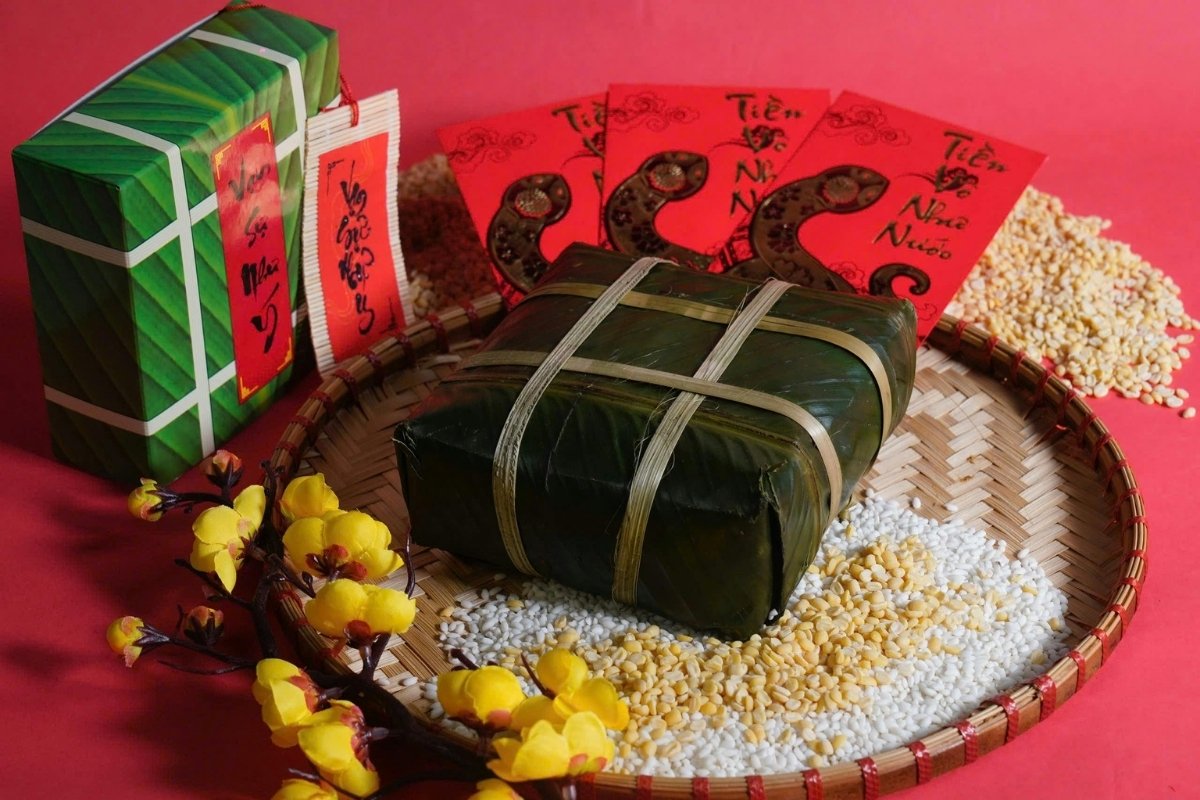
The Tet meanings Vietnam holds are rooted in symbolic acts of care. Homes are thoroughly cleaned to sweep away bad luck. Incense is offered to ancestors, inviting blessings for the year ahead. Red and yellow decorations symbolize luck, warmth, and prosperity, while li xi – lucky money – carries wishes of health and success.
Beyond rituals, Lunar New Year symbolism centers on emotional renewal. Tet invites reflection: gratitude for what has passed, intention for what lies ahead. In Hoi An, these meanings unfold quietly, visible in small gestures rather than grand displays.
How Hoi An Celebrates Lunar New Year
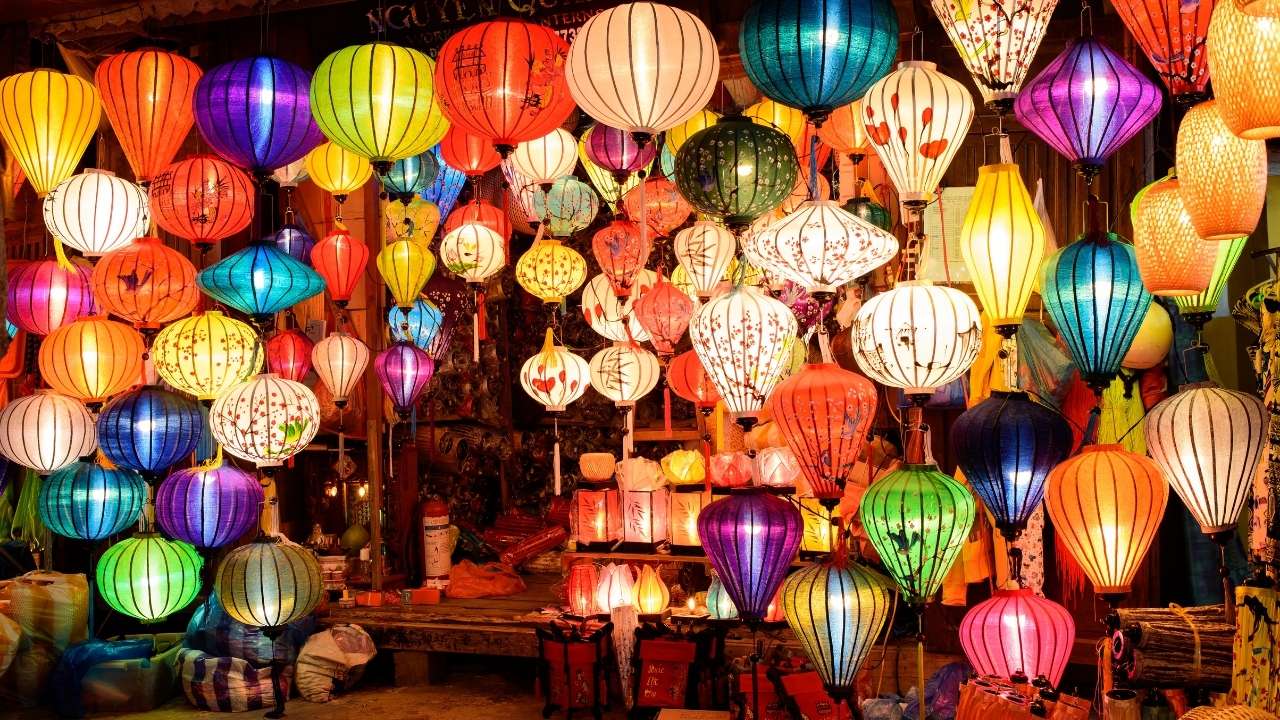
During Tet celebrations Hoi An, the town transforms without losing its calm. Flower markets bloom with apricot blossoms, peach flowers, and kumquat trees. Lantern-lit streets replace electric lights, casting a softer glow over tiled roofs and riverbanks.
Traditional performances, calligraphy displays, and folk games – including tien len mien nam (a popular Vietnamese card game) – appear in communal spaces. Temples welcome worshippers, and ceremonies center on family rather than crowds.
For travelers seeking things to do during Tet, Hoi An offers cultural depth without overwhelm – celebration shaped by heritage, not noise.
Unique Things to Do During Lunar New Year in Hoi An
Witnessing Tet Morning Stillness
On the first morning of Tet, Hoi An feels almost suspended in time. Streets empty as families remain indoors for sacred rituals. Walking through the ancient town at this hour reveals a rare stillness – lanterns glowing quietly, doors half-open, incense drifting through the air.
It is a once-a-year atmosphere of reflection and calm, ideal for unhurried walks and emotionally rich photography without crowds.
Observing Ancestral Home Altars
During Tet, many homes open their doors, revealing beautifully arranged ancestral altars. Offerings of fruit, food, flowers, and incense are prepared with deep care. Observing these moments offers insight into the spiritual heart of Vietnamese family life – where respect, memory, and gratitude are expressed not in words, but in ritual.
 Visiting Clan House Gatherings
Hoi An’s clan houses become gathering points during Tet. Families come together to pray, honor lineage, and renew bonds. These spaces – rarely accessible on ordinary days – offer travelers a glimpse into communal identity, where respect for elders and shared history shape belonging.
Receiving New Year Calligraphy
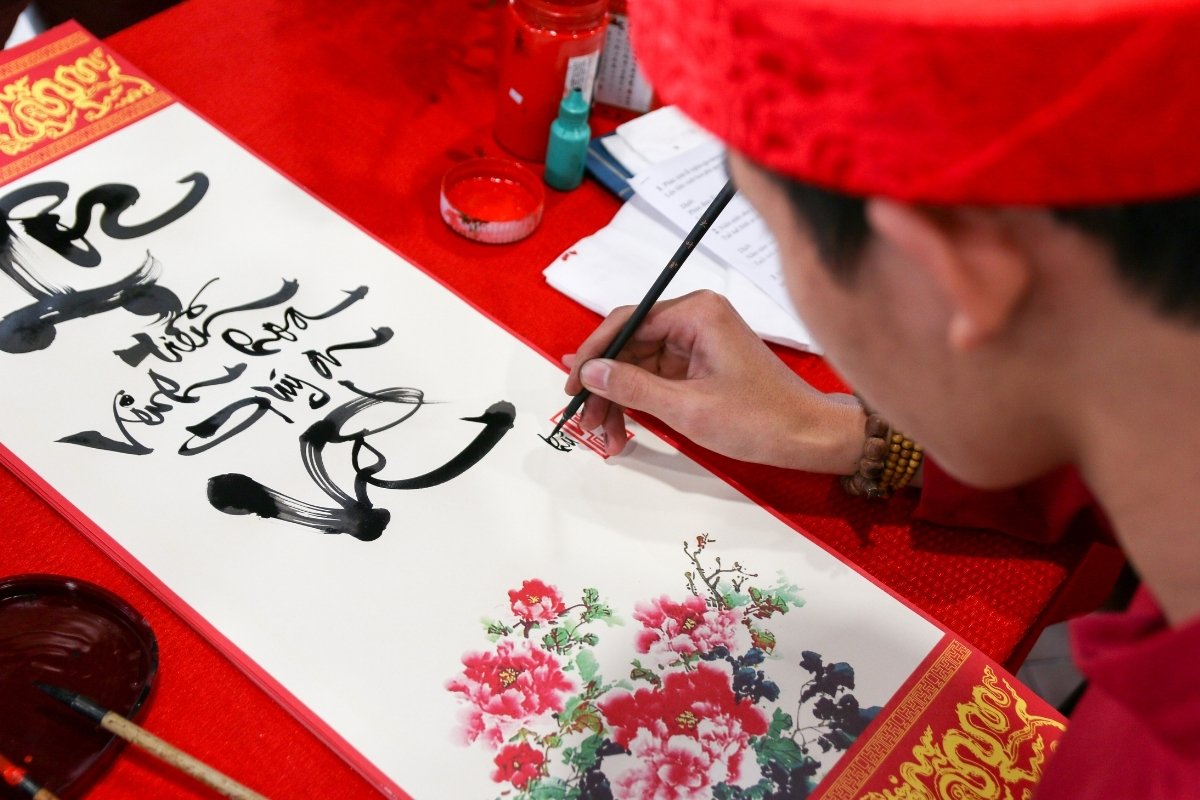
Calligraphy masters appear in public spaces, writing blessing characters for the year ahead. Words symbolizing luck, harmony, or longevity are offered on red paper. Receiving one is not just a souvenir, but a spiritual keepsake – an invitation to carry Tet’s intentions home with you.
 Experiencing a Non-Commercial Town Rhythm
Many shops close during Tet, shifting life away from commerce and toward family. This pause allows visitors to experience Hoi An as lived tradition, not performance. The town slows, breathes, and reveals itself in its most authentic rhythm.
Hoi An Weather During Lunar New Year
Hoi An weather Lunar New Year typically falls within the town’s cool-dry transition season. February temperatures range from 18-23°C (64-73°F), with cooler mornings and evenings near the river. Light rain may appear briefly, but humidity is lower than in summer, making walking comfortable.
Overcast skies soften lantern light, lending the town a poetic quality. Overall, Hoi An weather February offers ideal conditions for strolling the ancient town, visiting temples, and enjoying slow cultural exploration during Tet.
What to Wear During Lunar New Year in Hoi An
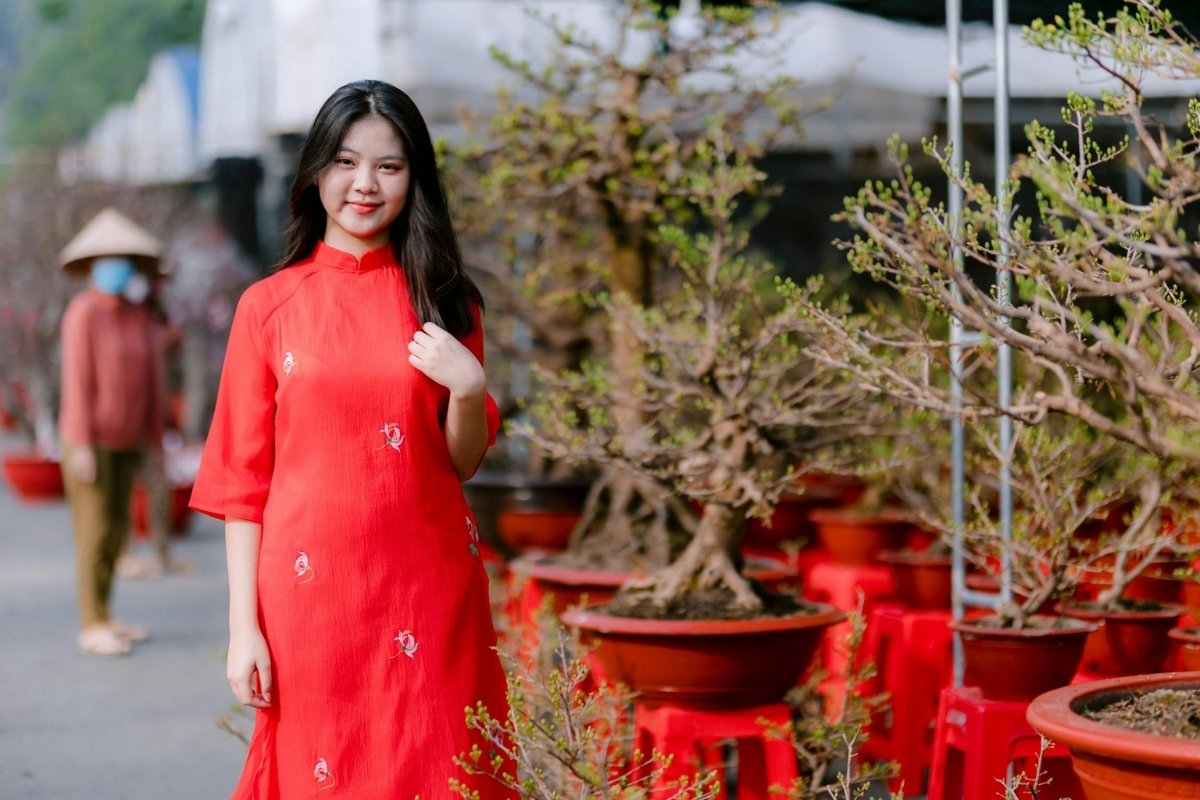
Understanding what to wear in Hoi An Tet begins with cultural intention. Wearing new clothes symbolizes renewal and good fortune. Neat, well-prepared outfits are favored, especially when visiting homes or temples.
Bright or warm colors – red, yellow, pink, or soft pastels – are considered lucky, while dark or worn clothing is traditionally avoided on the first day. Breathable fabrics, light layers, and modest styles balance comfort with respect.
Observing Lunar New Year dress traditions Vietnam follows allows visitors to participate thoughtfully in Tet’s spirit of optimism and goodwill.
 Hoi An Restaurants Open During Lunar New Year 2026
During Tet, many family-run eateries close as locals celebrate at home. Planning ahead is essential when deciding where to eat in Hoi An Lunar New Year, especially on New Year’s Eve and the first two days.
The Temple Restaurant
- Address: The Temple Restaurant & Lounge, No. 132 Hung Vuong, Block 7, Hoi An Tay Ward, Da Nang City, Vietnam
- Opening hours: 11:30 AM – 10:00 PM
- Website: https://lasiestaresorts.com/wine-dine/the-temple-restaurant-lounge/ https://thetemplerestaurant.com/?utm_source=lasiesta
- Menu: https://thetemplerestaurant.com/wp-content/uploads/2024/09/TEMPLE-LUNCH-MENU-ALACARTE-updated-.pdf/?utm_source=lasiesta
- Price range: around $20-$40 per person
Located within La Siesta Hoi An Resort & Spa, The Temple remains open throughout Tet, offering full dining service in a serene setting – ideal for those seeking continuity and calm.
Red Bean Restaurant
- Address: Red Bean Hoi An, No. 132 Hung Vuong, Block 7, Hoi An Tay Ward, Da Nang City, Vietnam
- Opening hours: 11:30 AM – 10:00 PM
- Website:
- Menu: https://hoian.redbeanrestaurants.com/#menu/?utm_source=lasiesta
- Average price per dish: around $5-$15
Also part of La Siesta, Red Bean serves refined Vietnamese cuisine using local ingredients, with special Tet set menus available from 17-19 February 2026:
- Tet Menu from 17 – 19/2: https://drive.google.com/file/d/1wig0SKMYlZ4yAAd4Xe9FnXDQyE42aeeo/view
- Set menu price: around $35 per person
The Hill Station Deli & Boutique
- Address: 321 Nguyen Duy Hieu Street, Hoi An Town, Da Nang Province, Vietnam
- Opening hours: 07:00 AM – 10:00 PM
- Website: https://www.thehillstation.com/
- Menu: https://drive.google.com/file/d/163R-97DebeuPr78s0GTBZAyMdqDQ1YXL/view
- Average price per dish: $5-$18, depending on selection
A relaxed option for light meals and coffee during the holiday period, subject to limited hours.
Choosing thoughtfully ensures you enjoy Tet flavors while respecting Hoi An’s family-centered pace.
Practical Travel Tips for Tet 2026 in Hoi An
- Book flights, transfers, and restaurants well in advance, as availability is limited during Tet
- Expect slower services on the first day of the holiday; plan walkable routes and unhurried days
- Embrace a flexible schedule, allowing time for quiet exploration and spontaneous moments
- Bring essentials such as medications, sunscreen, mosquito repellent, and a power bank
- Confirm transport availability and agreed prices with drivers ahead of time
- Although February is generally dry, keep an eye on weather forecasts, as Central Vietnam can experience occasional heavy rain
 Best Place to Stay in Hoi An During Lunar New Year
After days shaped by ritual and reflection, rest becomes part of the celebration. At La Siesta Hoi An Resort & Spa, lush gardens, tranquil pools, and attentive hospitality offer a green sanctuary during Tet. Recognized among the Top 3 Worldwide Best Hotels in 2024 by TripAdvisor and Travelife Certified for sustainability, the resort allows you to experience Lunar New Year with ease and intention.
Let Tet be more than dates on a calendar. Let it be a feeling – quiet mornings, warm lantern light, and the soft promise of renewal. Step into Hoi An’s most meaningful season, and let La Siesta hold the calm while the town celebrates.