

Hoi An Central Market: A Complete Guide To Food, History & Local Life
Hoi An Central Market is the beating heart of Hoi An. This lively riverside wet market offers authentic local food, vibrant produce stalls, and a glimpse into everyday Vietnamese life. Visitors can taste traditional dishes, shop for spices and souvenirs, and experience the town’s trading culture in one bustling location. This guide covers the market’s history, what to eat, what to buy, best visiting times, and practical tips for exploring this iconic Hoi An destination.
Overview Of Hoi An Central Market
Hoi An Central Market is the largest traditional market in Hoi An and a hub for food, trade, and local culture. The market sits beside the Thu Bon River in the UNESCO-listed Hoi An Old Town, where traders and shoppers gather daily.
- Location: 19 Tran Phu, Cam Chau, Hoi An, Quang Nam, Vietnam
- Other Names: Hoi An Old Market, Day Market, Wet Market, River Market
- Opening Hours: 5:00 AM – 6:00 PM daily
- Best Visiting Time: 6-8 AM or 4-5:30 PM
- Time Needed: 30-60 minutes
- Entry Fee: Free (Old Town ticket required for UNESCO area access)
The market stands between Tran Phu Street and Bach Dang Street, right along the Thu Bon riverside. This position made it an ideal trading point for boats bringing seafood, vegetables, and goods from nearby villages.
Inside, the lively atmosphere reflects everyday Vietnamese life. Vendors sell tropical fruits, herbs, seafood, and ready-to-eat meals. The colorful stalls also create excellent opportunities for market photography, capturing authentic scenes of Hoi An’s daily rhythm.
History Of Hoi An Central Market
Hoi An Central Market grew from the town’s role as one of Southeast Asia’s busiest trading ports. From the 15th to the 19th century, merchants from across the world visited Hoi An.
Traders came from China, Japan, the Netherlands, England, Portugal, and France. They exchanged silk, spices, ceramics, and local produce through the Thu Bon River trading route.
The original market stood near Elephant Temple at 27 Le Loi Street. In 1841, the market moved closer to Quan Cong Temple, where trading activity had increased.
During the French colonial period, the market building was rebuilt with a covered hall design. This structure allowed vendors to operate during rain and strong sun.
In the early 2000s, the old building was demolished and reconstructed. The new structure preserved the traditional layout and appearance. Today, the market continues its historic role as a riverside marketplace serving both locals and visitors.
Layout & Sections Of The Market
Hoi An Central Market follows a traditional Vietnamese wet market layout with specialized sections. The main hall sits at the center, surrounded by major streets.
The market boundaries are defined by four surrounding streets:
- North: Tran Phu Street
- South: Bach Dang Street (Thu Bon riverside)
- West: Tran Quy Cap Street
- East: Tieu La Street
Inside the market, there are four main sections for visitors to explore:
- Prepared Foods – Food Court: Local food stalls serving Hoi An specialties.
- Spices & Cooking Utensils: Vietnamese spices, chili sauces, different varieties of fish sauce, and traditional kitchen tools.
- Fresh Meat & Poultry: Butchers selling pork, chicken, and duck.
- Fish & Seafood: Located near the river, where boats deliver fresh daily catches.
Outside the market, around the building, vendors also sell fresh vegetables, herbs, and fruits. You can also find stalls preparing rice noodles and toppings for Cao Lau and Mi Quang, which will definitely awaken your appetite.

What To Eat At Hoi An Central Market
Food Court (Inside)
Here is a smoother and more natural edited version of your text:
The food court inside Hoi An Central Market is one of the best places to try authentic local dishes. Vendors prepare traditional meals using fresh ingredients sourced directly from the market.
When visiting, you should try some of the popular specialties such as Cao Lau, Mi Quang, White Rose Dumplings, Fried Wonton, Chicken Rice, and Banh Xeo.
Most dishes cost 30,000–50,000 VND, and prices are usually clearly displayed on signs. Seating typically consists of long metal benches shared by both locals and visitors, creating a lively atmosphere and giving you the feeling of experiencing a typical day like a Vietnamese local.
Prices are generally fixed, so there is no need to bargain.
Street Food Outside The Market
Outside the market, the atmosphere becomes even more local and vibrant. Street vendors cook over small charcoal grills while customers sit on low plastic stools, creating a lively street food scene.
You will often find foods such as grilled pork skewers, Bo La Lot (beef wrapped in betel leaf), Banh Trang Nuong (Vietnamese pizza), fresh tropical fruits, and sugarcane juice.
Be sure to try some of these dishes if you still have room after exploring the food court inside the market.
This casual setup with low plastic stools offers an authentic street food experience that reflects everyday life in Hoi An. However, it is always a good idea to ask for the price first before ordering.
The Original Banh Mi Phuong
Another spot worth checking out is the original Banh Mi Phuong stall, located near Tieu La Street beside the market.
The shop gained international fame after chef Anthony Bourdain praised it on the television show No Reservations. His visit helped turn this humble sandwich stall into a global food destination.
Compared with the main branch nearby, this smaller location usually has fewer crowds and offers a more authentic market atmosphere, making it a great place to enjoy a banh mi while exploring the area.

What to Buy At Hoi An Central Market
Hoi An Central Market is an excellent place to shop for fresh produce, spices, and local souvenirs. Bargaining is common for non-food items, so visitors can usually negotiate prices politely.
If you plan to buy something while visiting, you can start by exploring the fresh produce section. Vendors sell a variety of colorful tropical fruits such as mango, rambutan, durian, dragon fruit, and mangosteen.
You will also find many fresh herbs used in Vietnamese cooking, including lemongrass, perilla, Thai basil, and fish mint. In addition, the produce stalls display a wide range of vegetables such as morning glory, bok choy, and pumpkin flowers, which are commonly used in local dishes.
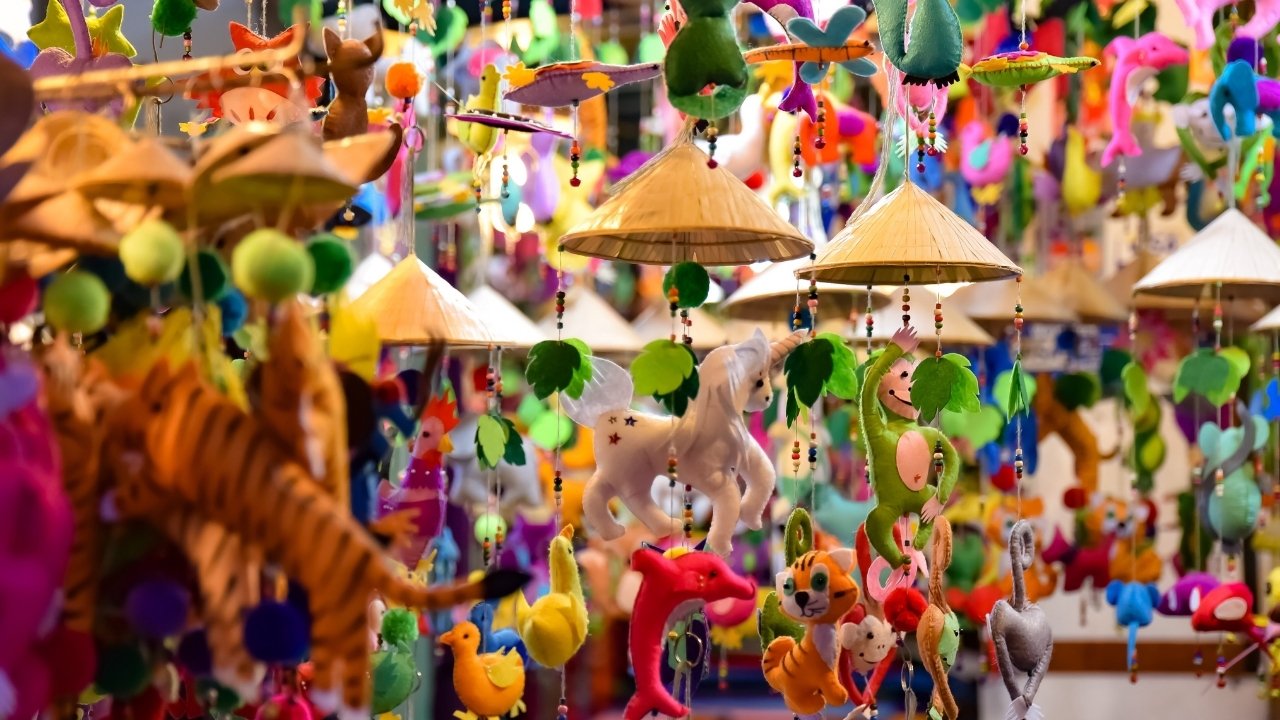
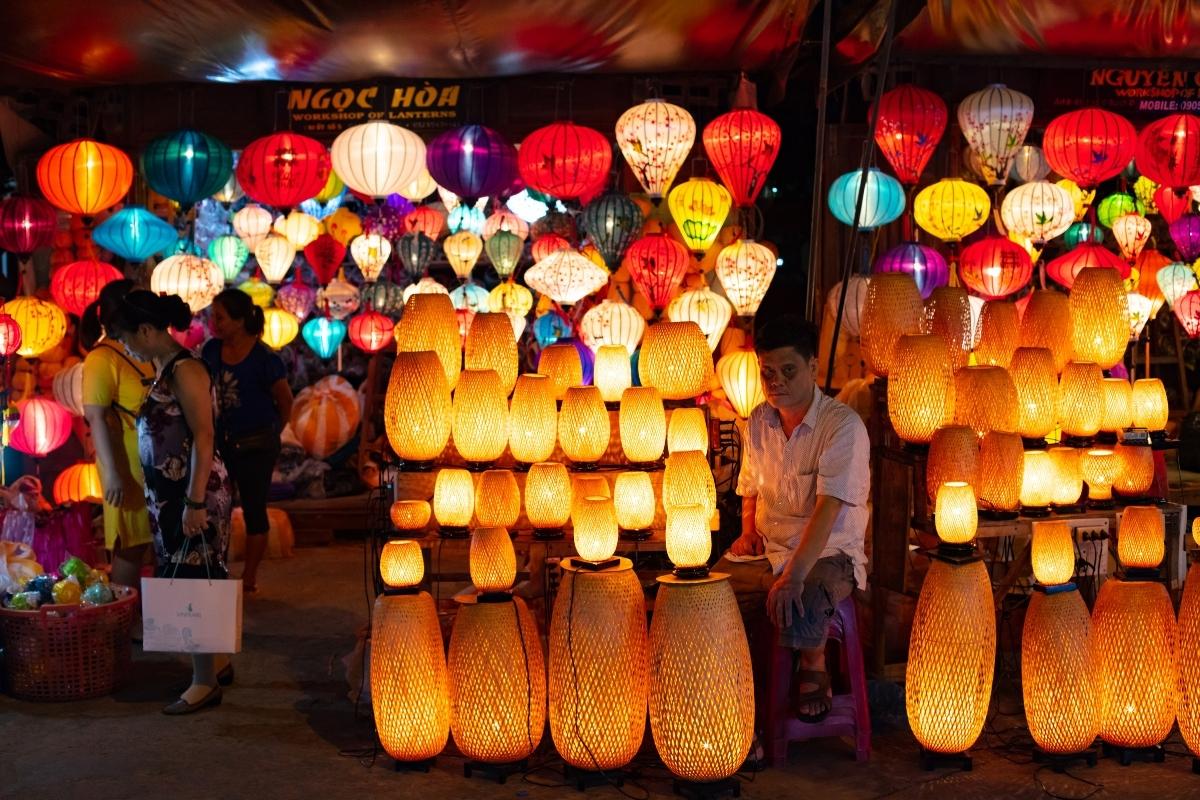
The spices and souvenirs section is another great area to explore. Many stalls sell Vietnamese spices such as star anise, cinnamon, turmeric, ginger, and garlic. You can also find practical souvenirs that make meaningful reminders of your trip to Hoi An, including cooking utensils, lantern souvenirs, woven baskets, chopsticks, and rice noodles.
These colorful products not only make great gifts, but they are also perfect for taking authentic market photos.
How To Get To Hoi An Central Market
Hoi An Central Market sits in the heart of Hoi An Old Town and is easy to reach on foot. Most visitors walk to the market from nearby attractions.
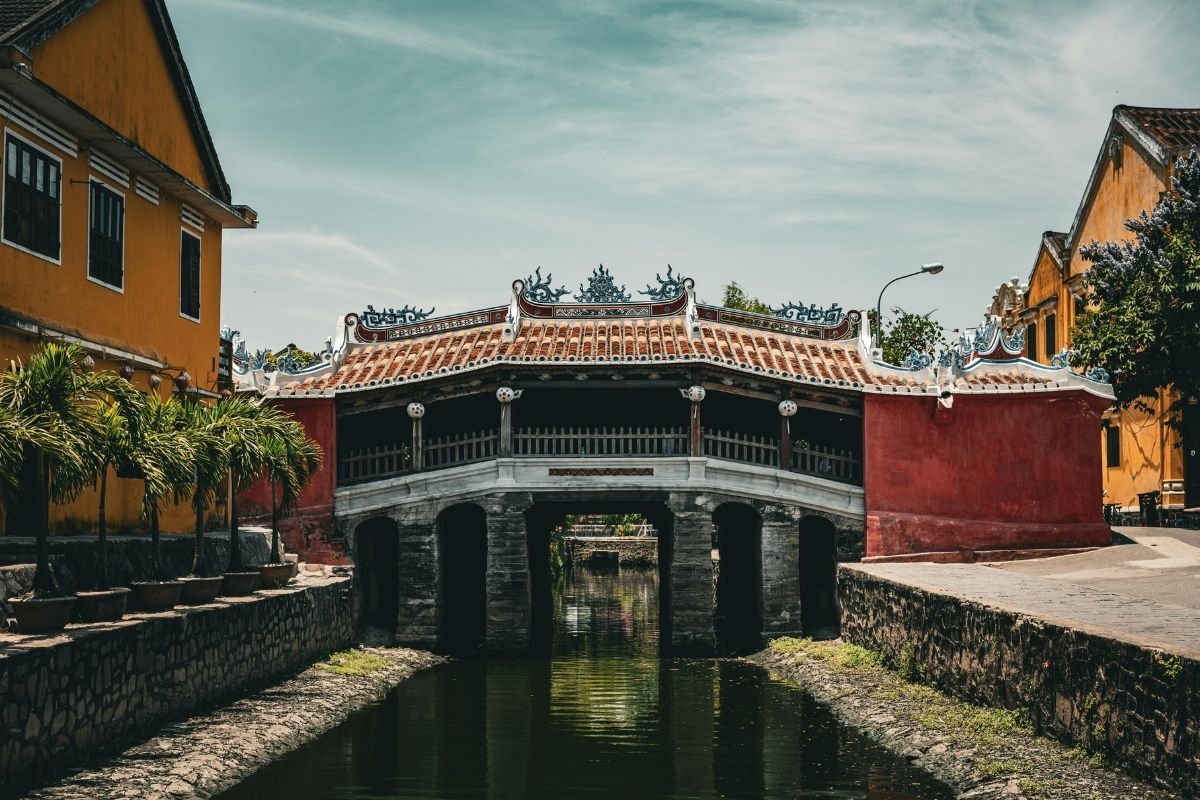
- If you plan to walk, the market is about 650 meters from the Japanese Covered Bridge, which is roughly a 10-minute walk along Tran Phu Street.
- If you travel by taxi or car, you can ask the driver to drop you off at the Nguyen Hue – Phan Chu Trinh intersection or the Hoang Dieu – Tran Phu intersection, both located close to the market.
- If you are exploring Hoi An by motorbike or bicycle, parking is available near the market. The parking fee is usually around 5,000–10,000 VND, and motorbike access to the area is typically allowed between 11:30 AM and 3:00 PM.
- You can also reach the market by boat. The market connects directly to the Thu Bon River, where boats often deliver fresh seafood early in the morning.
- If you are a first-time traveler, hotel concierges can also provide directions or help arrange transportation to the market.
Hoi An Central Market At Night
Hoi An Central Market remains lively until early evening. Most stalls close around 6–7 PM, although nearby street vendors continue operating later.
After sunset, activity shifts to Bach Dang Street and Tran Quy Cap Street. Vendors sell similar snacks and souvenirs as the Night Market, often at slightly lower prices.
The evening atmosphere offers a calmer way to explore the market area.
 Attractions Near Hoi An Central Market
Several cultural landmarks are located within a few minutes’ walk of Hoi An Central Market. These nearby attractions make it easy to combine sightseeing with a visit to the market. If you have extra time, be sure to explore some of these places as well.
- Hoi An Fabric Market: Two floors filled with tailors and ready-to-wear clothing.
- Quan Cong Temple: A historic temple dedicated to the Chinese military deity Quan Cong. Entry requires an Old Town ticket.
- Rehahn’s Gallery: Photography gallery featuring portraits and cultural stories by French photographer Rehahn.
- Fujian Assembly Hall: Built in the 17th century to worship the sea goddess Mazu. The hall displays ornate Chinese architecture and colorful courtyards.
- Hoi An Folklore Museum: Exhibits about traditional crafts and local heritage.
- Hoi An Traditional Performance House: Cultural performances featuring music, dance, and folk stories. For more information about this traditional performance venue, please visit: The Story of Hoi An Traditional Art Performance House
- Quan Thang Ancient House: A historic merchant home that offers a glimpse into Hoi An’s trading past. Visitors can also enjoy local food in the courtyard.
Suggested Walking Itinerary For First-Time Visitors
This route is designed for first-time visitors to Hoi An. It covers the city’s most famous landmarks in one easy walking loop, starting at the Japanese Covered Bridge.
The route passes through Nguyen Thi Minh Khai Street, then continues to the Japanese Covered Bridge, followed by Tran Phu Street. From there, visitors can explore the Fujian Assembly Hall and Quan Cong Temple before arriving at Hoi An Central Market.
The walk then continues along the Bach Dang Riverside, passes through Nguyen Thai Hoc Street, crosses An Hoi Bridge, and finishes at the lively Hoi An Night Market.
The total walking distance is about 1.65 kilometers. This route combines historic architecture, traditional temples, riverside views, and local market experiences, making it a great introduction to Hoi An Old Town.
Reconnect With Authentic Hoi An At La Siesta Resort & Spa
After exploring the vibrant energy of Hoi An Central Market, travelers can retreat into the peaceful green surroundings of La Siesta Hoi An Resort & Spa.
La Siesta offers luxury eco-friendly retreat accommodations in Hoi An and proudly holds Travelife certification for sustainable tourism. The resort welcomes guests seeking meaningful connection with family, partners, nature, and themselves.
Recognised as one of the Top 3 Best Hotels in the World in 2024 by TripAdvisor, La Siesta provides a tranquil escape after a busy market morning.
Guests can relax with:
- Rejuvenating spa rituals
- Serene garden swimming pools
- Refined Vietnamese cuisine crafted from fresh local ingredients
Escape the noise of the market crowds, soften into serenity, and let the heartfelt hospitality of La Siesta Hoi An Resort & Spa transform your stay from a simple visit into a lasting memory. Book your sensory journey today.